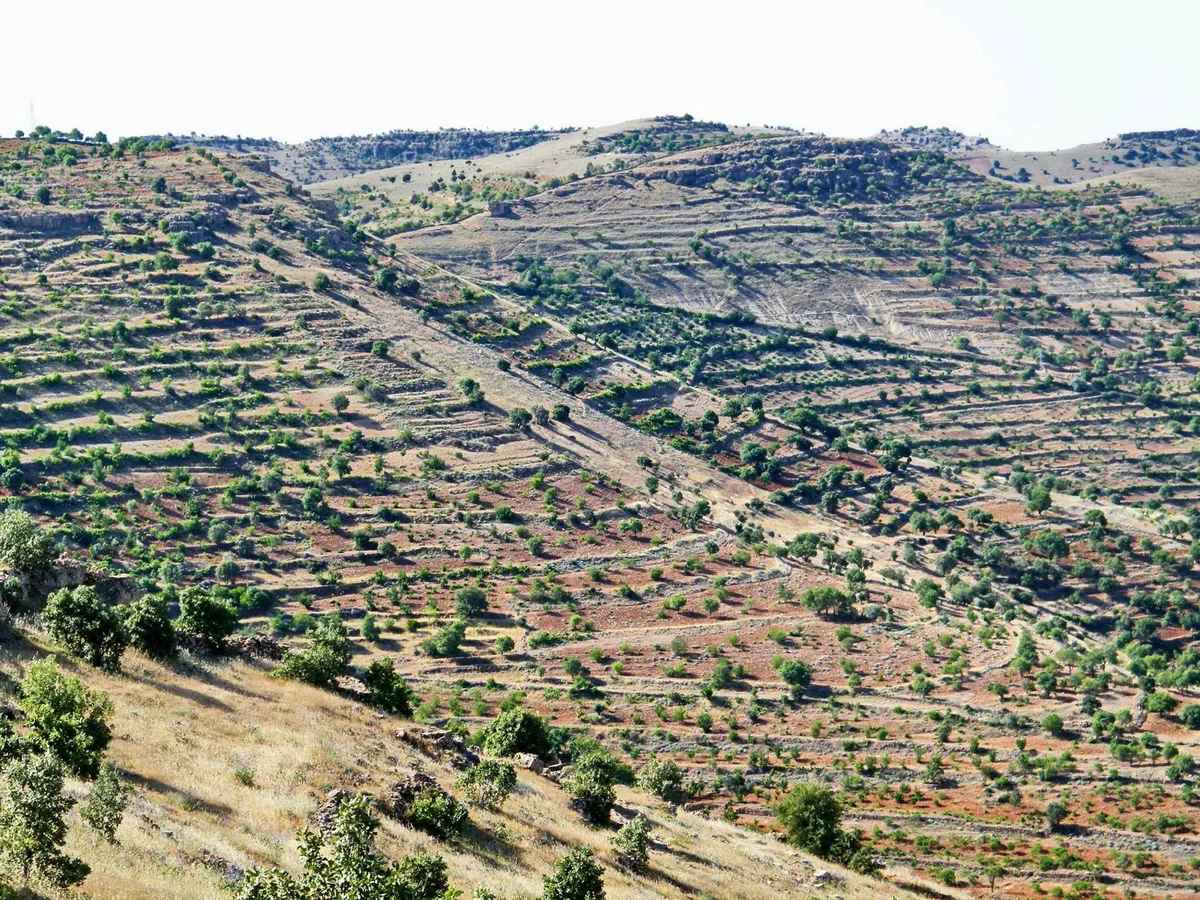
Midyat lives in the shadow of Mardin, yet it has a spirit all its own. With its yellow stone houses, church bell towers, a bazaar full of the tapping of silversmiths and the ancient monasteries around it, the town sits at the heart of Tur Abdin. Many travellers come only for a day trip from Mardin, but Midyat deserves to be explored slowly, street by street. In this guide we have gathered the places you should not miss in Midyat, along with practical information to make your trip easier.
- Distance to Mardin
- ~70 km, 1 hour
- Mor Gabriel
- ~23 km
- Recommended stay
- At least 1 full day
- Best season
- Spring and autumn
A town with two faces: Old Midyat and Estel
Today’s Midyat has two parts. On one side is historic Old Midyat, with its stone houses, narrow streets and churches; on the other is Estel, where the government offices and newer buildings are concentrated. Most of the sights are in Old Midyat. If you come by minibus from Mardin, simply telling the driver “Eski Midyat” (Old Midyat) is enough to be dropped near the historic quarter.
1. Midyat Guesthouse (Konuk Evi)
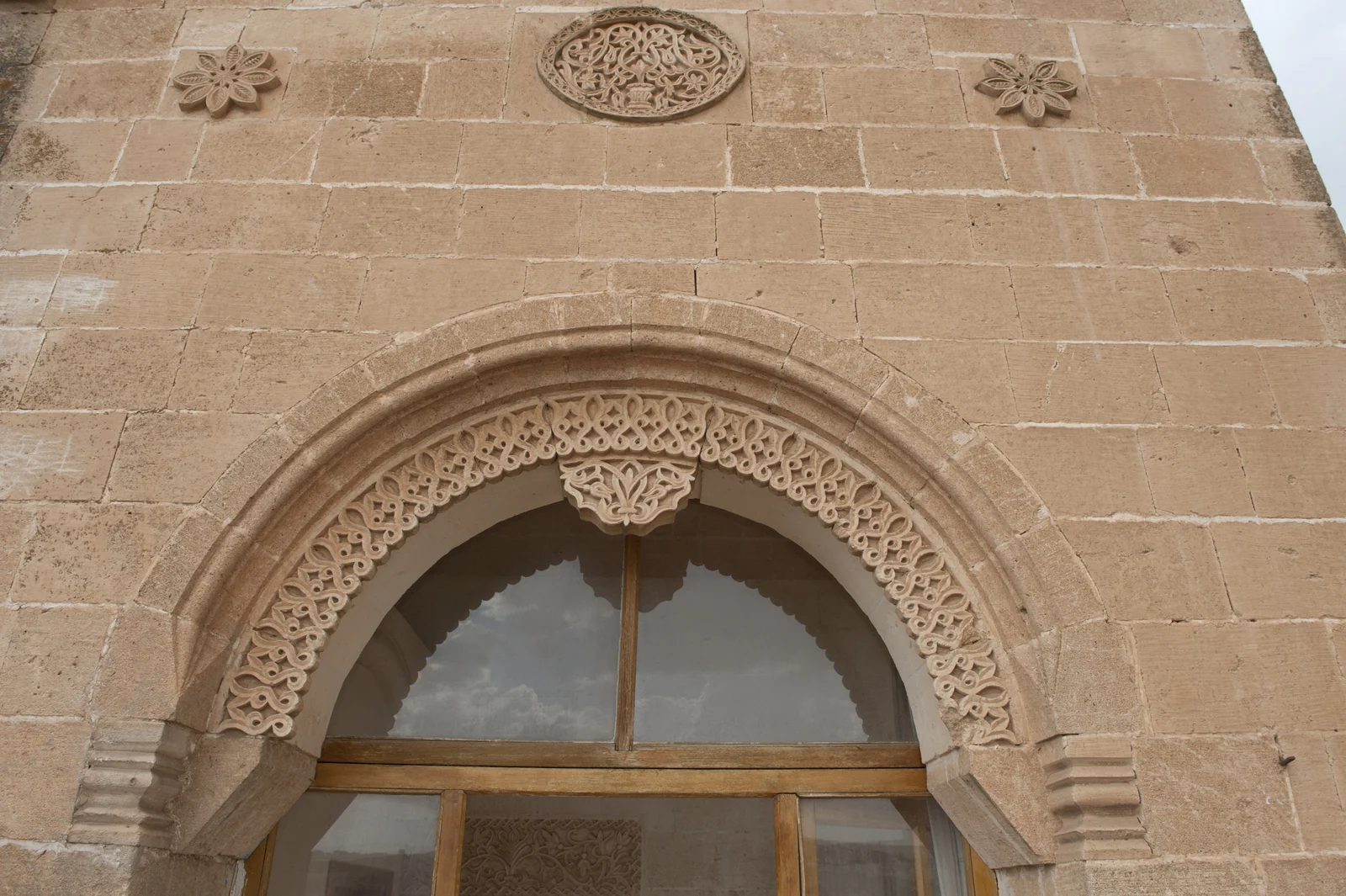
Midyat’s most visited building is the Midyat Guesthouse, on one of the high points of the town. Its oldest floor dates from 1850, and later additions brought it to four storeys. Its central courtyard, carved door and window surrounds and stone-balustraded terraces are among the finest examples of Midyat stonework. The view of the town from the roof of the Guesthouse, which has served as a set for many television series, is unforgettable, especially at sunset.
2. The stone streets of Old Midyat
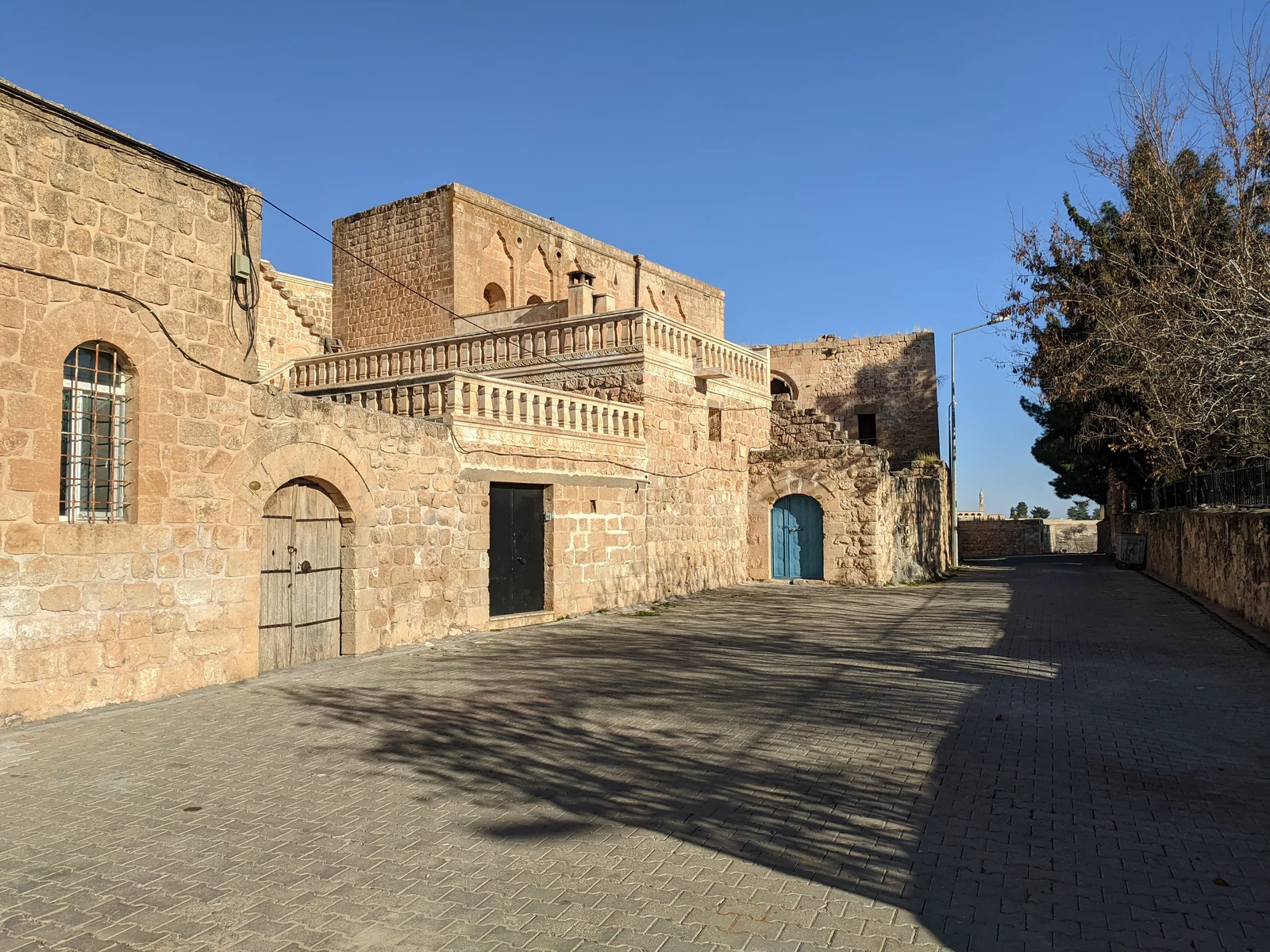
The real way to get to know Midyat is to wander aimlessly through the narrow streets of Old Midyat. Houses of yellow limestone, carved while soft and hardened over time, inward-looking courtyards and façades worked like lace appear at every corner. Remember to look up at the window surrounds, the door arches and the edges of the roofs. We tell the story of this architecture in detail in our article on the stone houses of Midyat.
3. The churches
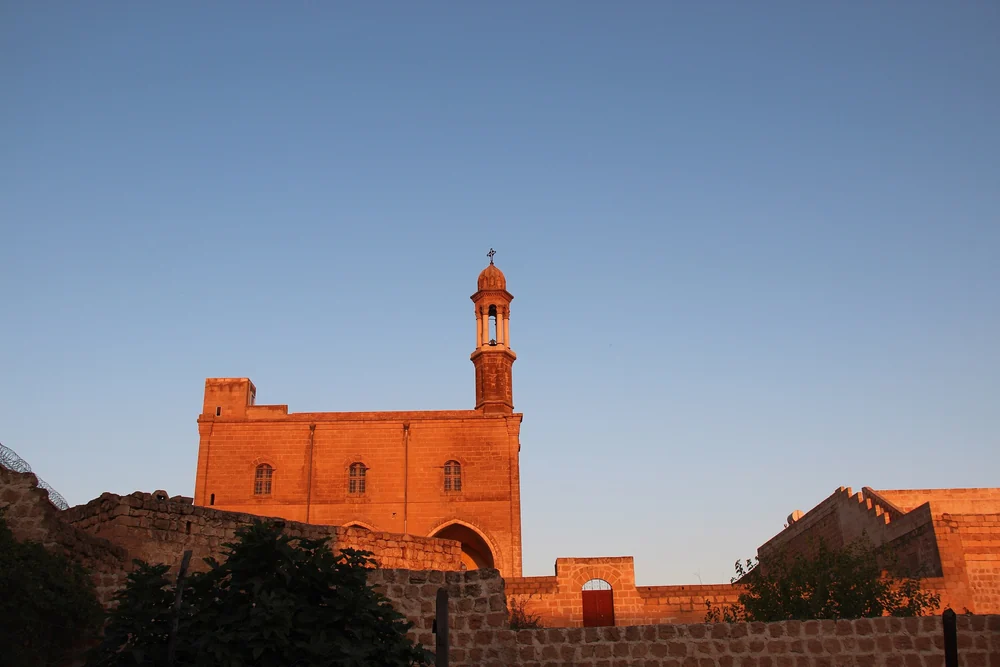
Until the early 20th century, Old Midyat was a largely Christian town, and today it is still home to many churches that are decades, even centuries, old. Some belong to the Syriac Orthodox Church, others to Catholic and Protestant communities.
Mor Barsawmo Church stands near the bazaar, at the heart of Old Midyat; the present building was rebuilt in the 20th century. Mor Shmuni Church is the seat of the region’s bishop. Mor Sharbel Church, built in the 1950s, is one of the town’s newer churches. The large Protestant Church on the hill was built around 1900 and, thanks to its high position, stands out on the town’s skyline.
The churches are not always open; on weekdays in particular you may find the doors closed. Asking local residents or church staff will often get them opened for you. When visiting, wearing clothes that cover the shoulders and knees, keeping quiet during services and asking before taking photographs are the most natural forms of respect.
4. The silversmiths’ bazaar and the Filigree Museum
Midyat’s bazaar is full of workshops where masters twist hair-thin silver wires into telkari, silver filigree. Stopping in front of the workshops to watch the masters at work is one of the most enjoyable things to do in Midyat. The Telkari (Filigree) Museum, opened by Midyat Municipality on 10 December 2023, is in the Akçakaya neighbourhood in the historic bazaar area and is presented as Türkiye’s only museum dedicated to telkari. You can read the story of this craft in our article on Midyat filigree.
5. The Monastery of Mor Abraham and Mor Hobil
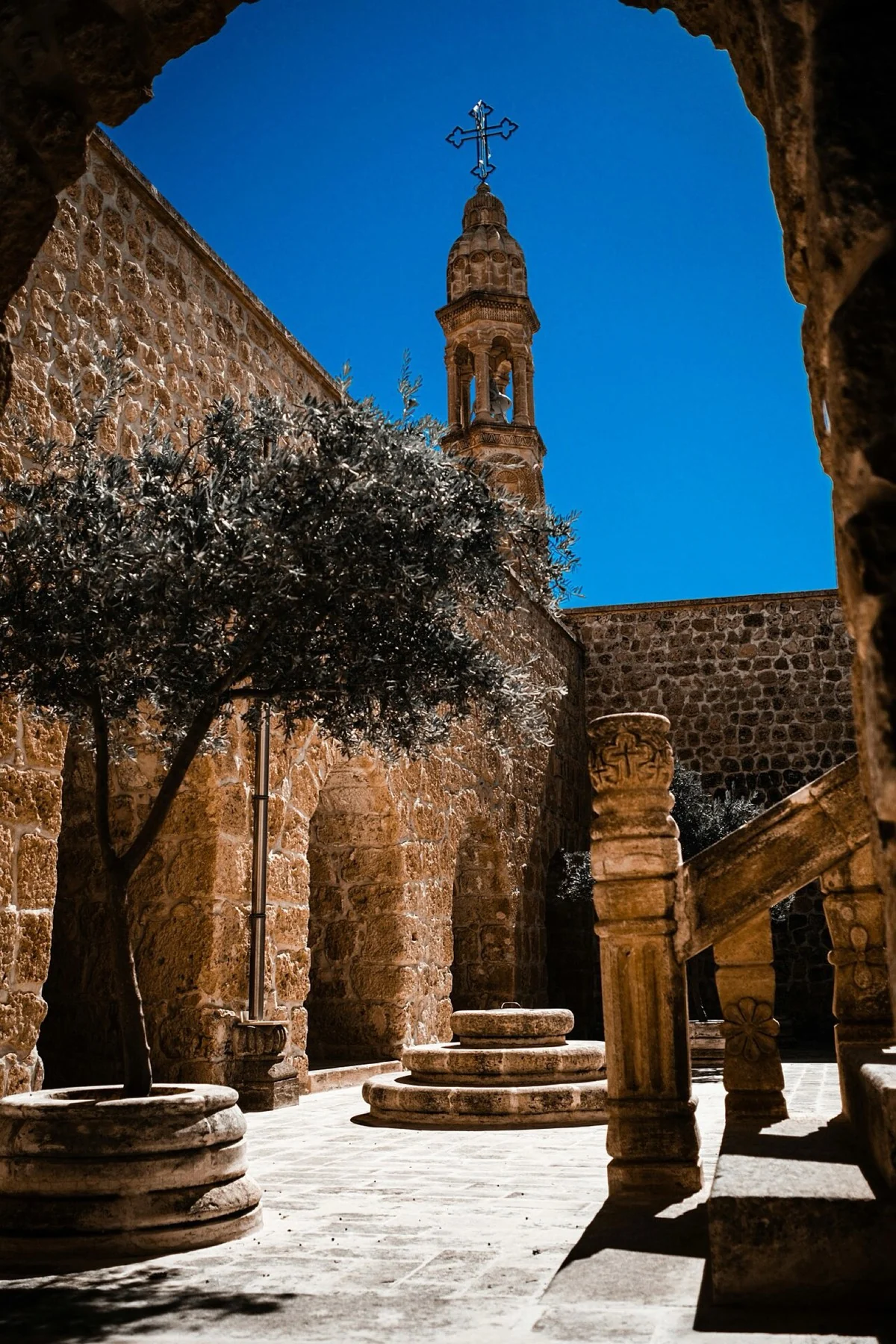
About a kilometre east of the town centre stands the Monastery of Mor Abraham and Mor Hobil, one of the largest church buildings in Midyat. According to local tradition, it was founded in the 5th century as a daughter house of Mor Gabriel Monastery by two monks named Abraham and Hobil. Its garden is a peaceful spot that local families also love at weekends.
Around Midyat
Mor Gabriel Monastery (about 23 km, 25 minutes): Founded in AD 397 and known as the oldest surviving Syriac Orthodox monastery in the world, Mor Gabriel is a must on any trip to Midyat. For details, see our article on Mor Gabriel Monastery.
Hasankeyf (about 45 km, 40 minutes): This ancient settlement on the banks of the Tigris makes an easy half-day trip from Midyat.
Mardin old city (about 70 km, 1 hour): With its stone mansions, madrasas and views over the Mesopotamian plain, Mardin is the most natural stop to combine with Midyat.
Dara Ancient City (about 78 km, 70 minutes): On the road to Mardin, this Roman-era city attracts history lovers with its rock tombs and cisterns.
Practical information
How to get there: The nearest airport is Mardin Airport, about 83 km from Midyat. From Mardin you can reach Midyat by minibus from the bus station; the minibuses leave when they are full rather than at set times. If you come by car, the drive takes about an hour.
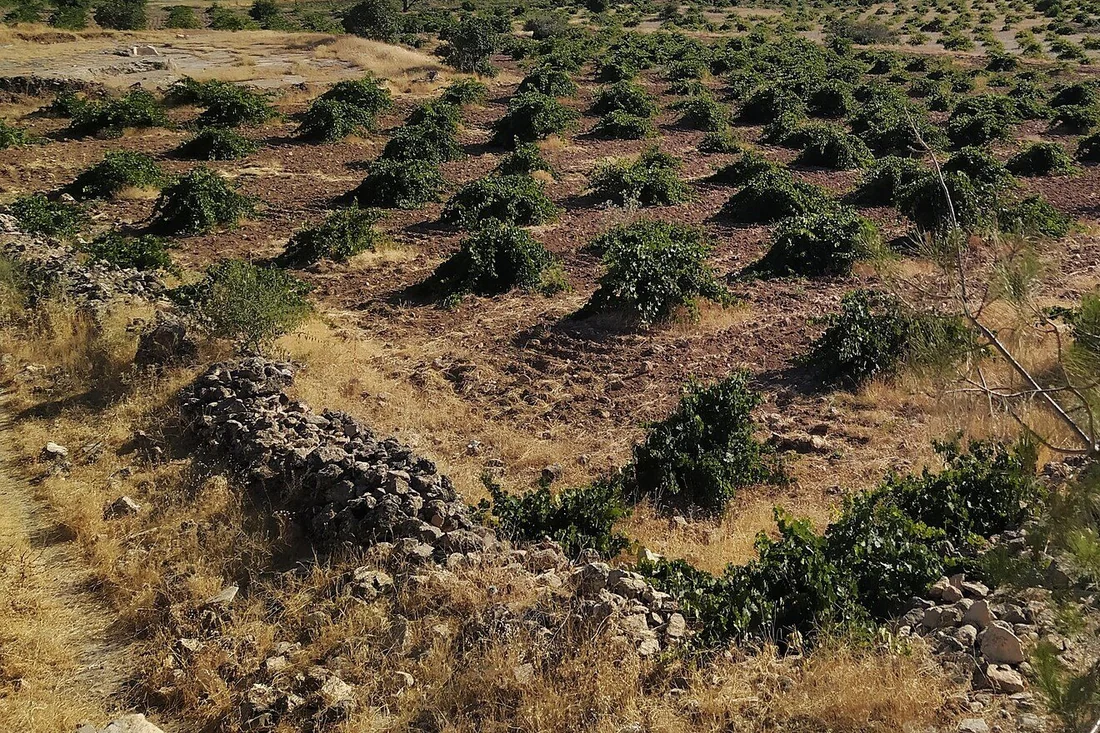
When to go: Summers in the region are very hot. The most comfortable times to visit are spring and autumn. Autumn also coincides with the grape harvest season in the region, a tradition we describe in our article on the grape harvest in Tur Abdin.
How long to stay: Half a day may seem enough for Old Midyat and the Guesthouse, but we recommend setting aside at least one full day for the churches, the bazaar and Mor Gabriel. Staying one night gives you the chance to see the town at sunset and in the quiet of the morning.
Sources: Midyat, Wikipedia; “Midyat & Mor Gabriel Monastery: Exploring the Tur Abdin Plateau,” Sailingstone Travel; “The Monastery of Mor Abrohom and Mor Hobel,” Orígenes de Europa; Mardin Telkari Museum, Küre Encyclopedia. Distances calculated from OpenStreetMap data.